
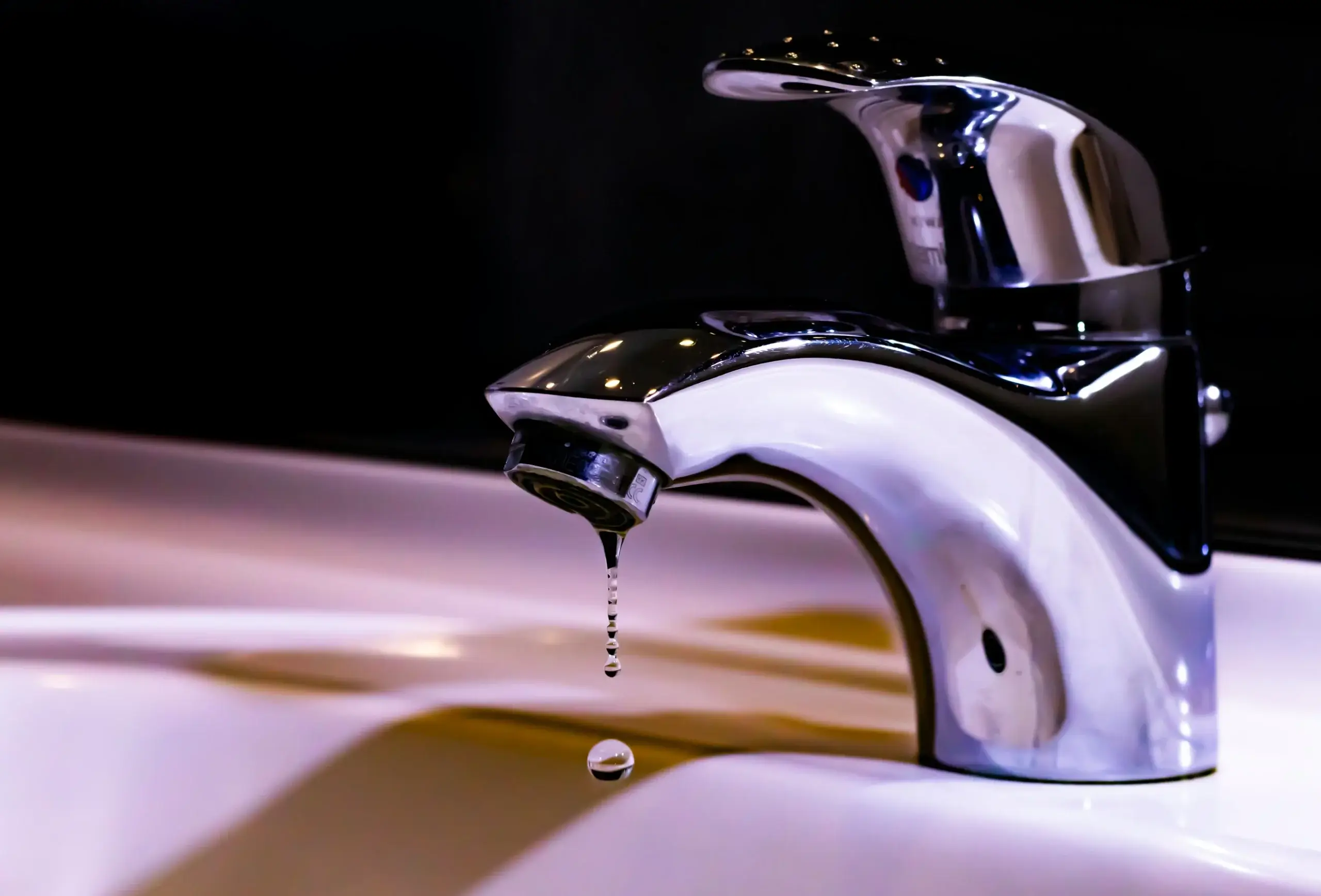
Every shower you take exposes your skin to chlorine. It’s in your water by design added by treatment plants to kill bacteria and keep the supply safe from source to tap. No one disputes its public health value.
But what keeps your water safe isn’t necessarily kind to your skin.
Chlorine is a powerful oxidising agent. When it meets the warm, steam-filled environment of your shower, it interacts directly with the lipids, proteins, and natural oils that form your skin barrier. The result is a gradual erosion of your skin’s first line of defence, often so subtle that most people attribute the symptoms to dry weather, ageing, or the wrong moisturiser.
Understanding what chlorine does at the cellular level helps explain why some skin concerns persist despite a solid routine, and why addressing your water quality may be the missing step.
What Chlorine Does to Skin at the Molecular Level
Chlorine in tap water exists primarily as hypochlorous acid (HOCl) and hypochlorite ions. Both are strong oxidisers. When they contact your skin, they react with the lipid matrix that holds your stratum corneum, your outer skin layer together.
Your skin barrier functions like a brick wall: skin cells (corneocytes) are the bricks, and the lipid matrix between them is the mortar. Chlorine degrades that mortar. It oxidises ceramides, cholesterol, and fatty acids that maintain the barrier’s integrity. Without that lipid structure, moisture escapes and irritants penetrate.
Dr Gloria Lin, board-certified dermatologist, notes the broader implications:
”Unfiltered water may disturb the natural balance of skin flora, exacerbating conditions such as acne, eczema and dermatitis. Given the extensive body surface area that the unfiltered water is in contact with, there has been debate regarding possible absorption of these pollutants systemically.
The hot shower environment makes things worse. Heat opens pores and increases blood flow to the skin surface, which enhances absorption. Steam volatilises chlorine into chloroform gas (a trihalomethane), which you breathe in while also absorbing it through skin. Studies estimate that dermal and inhalation exposure during a 10-minute shower can exceed the chlorine exposure from drinking two litres of the same water.
The effect is cumulative. A single shower won’t destroy your barrier. But twice daily for weeks, months, and years, the oxidative damage compounds. Transepidermal water loss (TEWL) increases. Your skin becomes chronically dehydrated even while you apply moisturise, because the barrier itself is compromised.
Dr Anjali Mahto, consultant dermatologist and author of The Skincare Bible, explains the broader environmental role:
”Hard water also has higher alkalinity compared to normal skin, which is slightly acidic, causing a pH shift that can disturb the skin's natural function.
For anyone dealing with persistent dryness, tightness after showering, or breakouts that don’t respond to topical treatments.
Chlorine and Your Hair
Your hair suffers similarly. Chlorine’s oxidising action lifts the cuticle, the protective outer layer of each hair strand, exposing the cortex beneath. This leads to dryness, increased porosity, brittleness, and for colour-treated hair, dramatically accelerated fading.
Sara Hallajian, trichologist, describes the process:
”Chlorine is a harsh chemical that pulls out the natural oils from your hair that act as a protectant. This leaves it dry, brittle and more prone to breakage. Over time, it can weaken the hair shaft, roughen the cuticle layer and even alter hair colour, especially in previously colour-treated hair.
The cuticle damage also creates a secondary problem. Once the cuticle is lifted, hair becomes highly porous, meaning it absorbs more of everything: minerals, metals, environmental pollutants. This is why blondes in certain suburbs turn brassy more quickly, and why colour treatments seem to fade unevenly depending on where you live.
Trichologist Chelcey Sallinger reinforces the importance of prevention:
”When it comes to hair damage, prevention is the key. Chlorine exposure can disrupt the hair cuticle, leaving it dry, brittle, and highly porous
The distinction worth understanding is that chlorine damage to hair is structural, not cosmetic. It doesn’t wash off. Once the cuticle is roughened and porosity increases, the hair’s ability to retain moisture and colour is permanently diminished until new growth replaces the damaged strands.
What You Can Do About It
Understanding the Effects of Chlorine Tap Water on Your Skin
The most direct solution is to reduce chlorine contact before it reaches your skin and hair. Multi-stage shower filtration using activated carbon effectively neutralises free chlorine, converting it to harmless chloride before the water reaches you.
This doesn’t change the water’s mineral content, but it removes the most reactive and damaging component. For most people, eliminating chlorine exposure is where the most noticeable improvement occurs, softer skin, less tightness, reduced dryness within the first two weeks.
Pairing filtration with cooler shower temperatures and shorter duration further reduces exposure. The less time your skin spends in contact with treated water, the less oxidative damage accumulates.
For those who travel, stay in hotels, or move between locations, portable filtration provides consistency. Chlorine levels vary between cities, suburbs, and even buildings depending on proximity to treatment plants and pipe infrastructure. Having a system that travels with you means your skin and hair receive consistent protection regardless of location.
If you’ve been layering products to compensate for chronic dryness or irritation, addressing the water first often simplifies everything. Your serums, moisturisers, and treatments work more effectively when they’re not competing against daily chlorine damage.
Your skin deserves to work with your routine, not against it.


