
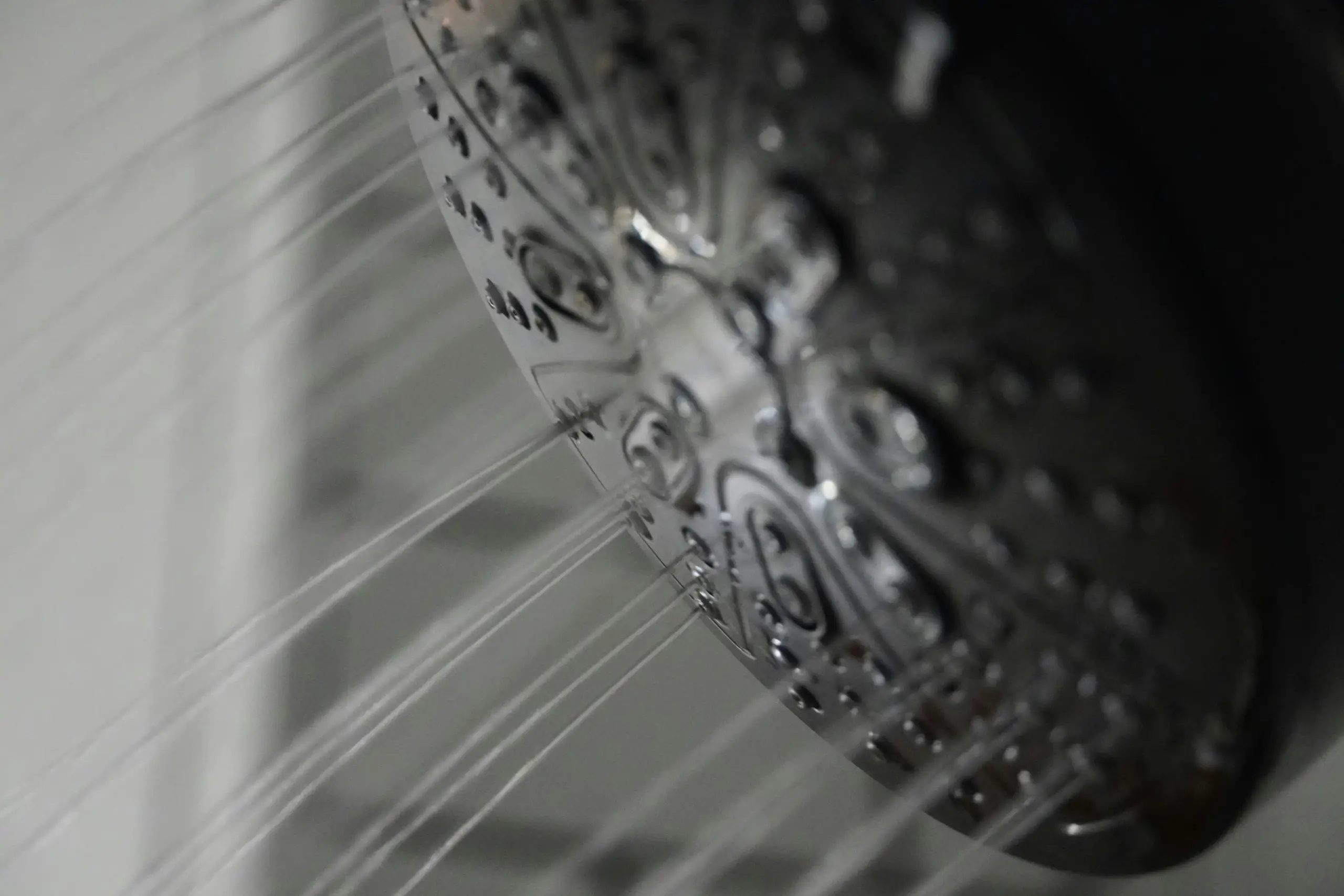
You step out of the shower feeling refreshed. Twenty minutes later, your skin feels tight. By evening, irritation has set in and small breakouts have appeared that weren’t there this morning.
It’s frustrating, especially when you’re investing in better skincare than ever before. But here’s what most dermatologists wish more people understood: your skincare routine is only half the battle.
The hidden truth? The water flowing through your shower is quietly working against everything you’re trying to do for your skin.
Not because you’re doing anything wrong. But because of what’s dissolved in your water supply.
The Overlooked Culprit: Your Water Quality
This is the conversation skincare brands and dermatologists rarely initiate, but it’s becoming impossible to ignore.
Chlorine strips protective oils. Hard water minerals create a film on your skin. Heavy metals trigger inflammation. Environmental contaminants add another layer of stress. These exposures compound daily—silently shaping your skin’s behaviour in ways you might not even realise.
Dr. Kimberly Tan, Clinical Dermatologist, puts it plainly:
”Most of my patients are shocked when I ask about their shower water quality before recommending expensive treatments. The foundation matters more than we talk about.
The irony? You can be using the best serums and moisturisers available, but if the water touching your skin daily is compromised, those products are fighting an uphill battle.
Let’s break down what’s really happening in your shower.
Your skin barrier is more sophisticated than most people realise. It’s made of natural oils, ceramides, and densely arranged cells that prevent moisture from escaping and protect against irritants.
When it’s intact, your skin feels soft, calm, and resilient. When it becomes compromised, dryness, redness, breakouts, and dullness follow—sometimes all at once.
Here’s what’s critical: your barrier functions at its best in a slightly acidic environment (around pH 4.5-5.5). Every time you shower, that delicate equilibrium is challenged. When the water itself contains chlorine, heavy metals, or high mineral content, your barrier must work even harder just to stabilise.
Over weeks and months of repeated exposure, this constant disruption leaves skin depleted, inflamed, and vulnerable. This is why people with seemingly great skincare routines still struggle with persistent skin issues.
Chlorine is added to almost every tap in Australia to disinfect water and kill harmful bacteria. It plays an essential public health role—but on your skin, it behaves very differently.
Here’s the problem: chlorine cannot distinguish between bacteria and your skin’s natural protective oils. It strips both.
This accelerates water loss through the surface of your skin. That familiar feeling of tightness immediately after showering? That’s chlorine doing exactly what it’s designed to do—removing a protective barrier. The issue is, you need that barrier.
When the lipid layer is stripped repeatedly, your skin doesn’t just dry out. It responds adaptively:
- For dry skin types: This becomes chronic dehydration. Your skin feels tight, rough, and uncomfortable, no matter how much moisturiser you apply.
- For oilier skin types: The glands respond by producing more sebum to compensate. More sebum, combined with a weakened barrier, easily leads to congestion and breakouts.
- For sensitive skin: You experience redness, inflammation, and delayed healing.
- Even for balanced skin: Continued chlorine exposure eventually triggers irritation.
”I see patients regularly who think they have inherently problematic skin, when really they're battling their water supply. Once they address the water quality, skin concerns often resolve without changing anything else.
As dermatologist Dr. Peter Chen noted, many Australian cities – Brisbane, Adelaide, and Perth included—are known for harder water with elevated levels of calcium and magnesium. These minerals are safe to drink, but they create a very different experience on your skin.
When hard water interacts with cleansers, the minerals bind with the surfactants and form a residue that doesn’t rinse cleanly. This film remains on the surface of your skin long after you’ve stepped out of the shower.
That squeaky clean feeling? Often it’s the opposite of what you think. It’s actually a layer of mineral and soap deposits that:
- Clogs pores and disrupts natural sebum flow
- Interferes with your skin’s pH balance
- Creates a barrier that prevents skincare products from penetrating properly
- Triggers low-level inflammation over time
The result appears as dryness, breakouts, dullness, or rough texture—and it gets worse the longer the buildup continues.
Heavy Metals: The Overlooked Irritants
Older homes and aging pipes can release small amounts of metals into your water, especially when hot water flows through. Copper, iron, and even lead are rarely discussed in skincare conversations, but they matter more than people realise.
These particles don’t typically pose an immediate health threat, but they interact directly with your skin:
- Copper contributes to oxidative stress and inflammation
- Iron deposits irritate the surface and leave skin and hair feeling rough
- Lead from older plumbing is a known irritant that accumulates over time
The cumulative effect – especially when combined with chlorine and hard water minerals—amplifies barrier disruption significantly.
Depending on your water source, trace amounts of pollutants can make their way into your system. While these are usually below drinking concern levels, the combination of hot water, daily exposure, and an already-compromised barrier can trigger sensitivity.
This includes microscopic particles from agricultural runoff, industrial residue, PFAS, and microplastics. Individually, the impact is subtle. Together, they contribute to irritation, uneven texture, and delayed healing, especially for people with already-sensitive skin.
How to Tell If Your Shower Water Is Affecting Your Skin
Look for patterns rather than isolated incidents:
- Your skin feels tight or squeaky immediately after showering
- Your moisturiser seems to stop working as well as it used to
- Breakouts appear on areas directly exposed to shower water (chest, back, shoulders)
- Eczema or dermatitis flares more often
- Your skin behaves differently when you travel or move houses
- Your hair feels coated, dry, or frizzy (signalling mineral buildup)
- You’re using good skincare products but not seeing results
If several of these resonate, water quality is likely a significant contributor to your skin concerns.
The Science Behind Shower Filtration
A shower filter doesn’t replace your skincare routine. But it removes one of the most persistent daily stressors your skin experiences—which changes everything.
By removing chlorine, reducing heavy metals, capturing sediment, and minimising mineral interference, filtration effectively allows your barrier to do what it’s designed to do: protect and repair itself.
Once that constant stressor is removed:
- Your barrier can repair itself more effectively
- Sebum production can regulate
- Inflammation decreases naturally
- Breakouts begin to ease
- Your skincare products can actually work the way they’re formulated to
Barrier repair is gradual, most people notice improvements within a few weeks, with more consistent results over months. This isn’t a quick fix. It’s foundational care.
says Dr. Sarah Mitchell, Dermatological Researcher.
”I recommend filtered shower water to virtually every patient before suggesting anything else. It's the cheapest, most impactful intervention most people overlook.
Beyond Filtration: Everyday Practices That Support Barrier Repair
While filtered water is foundational, these simple adjustments accelerate healing:
- Use warm instead of hot water to reduce additional stripping of natural oils
- Keep showers brief to minimise overall exposure time
- Pat your skin dry instead of rubbing (gentleness matters)
- Apply moisturiser within 60 seconds of stepping out while skin is still slightly damp
- Choose pH-balanced, gentle cleansers that support barrier function
- Stay hydrated and protect your skin during the day with antioxidants and SPF
- Avoid over-exfoliating while your barrier is compromised
Small adjustments, combined with filtered water, help restore your skin to its natural equilibrium far more effectively than any single product can.
The KINSŌ Ritual Difference: Filtration Designed for Real Life
We created Ritual because we noticed something: most shower filters are either ineffective or require constant maintenance. Both miss the point.
Ritual transforms your shower into a space that supports rather than stresses your skin. Its multi-stage filtration specifically targets:
- Chlorine (the primary barrier disruptor)
- Heavy metals (copper, iron, lead, rust)
- Sediment and impurities
- Hard water minerals
It’s effortless to install, simple to maintain, and crafted with a minimalist form that elevates any bathroom. For anyone who invests in considered skincare, Ritual ensures the water touching your skin aligns with that same standard of care.
Because here’s the truth: skin health doesn’t begin with your serum. It begins with your water.
The Bottom Line
If you’re struggling with persistent dry skin, breakouts, sensitivity, or dullness despite having a solid skincare routine, your water quality might be the missing piece.
Chlorine strips natural oils. Hard water minerals create residue that clogs pores. Heavy metals trigger inflammation. Environmental contaminants add another layer of stress. These exposures compound daily.
Filtering your water isn’t an indulgence. It’s foundational care. It restores the environment your skin needs to function at its best. It gives your skincare products a fighting chance. It allows your barrier to stay intact and resilient.
Your shower should support your wellness, not compromise it. Clean water is the simplest and most overlooked shift you can make in your skincare routine.
Ready to Transform Your Skin Health From the Foundation Up?
Ritual Showerhead is designed for Australian water and modern life. It’s the first step toward skin that feels resilient, calm, and healthy again.


