
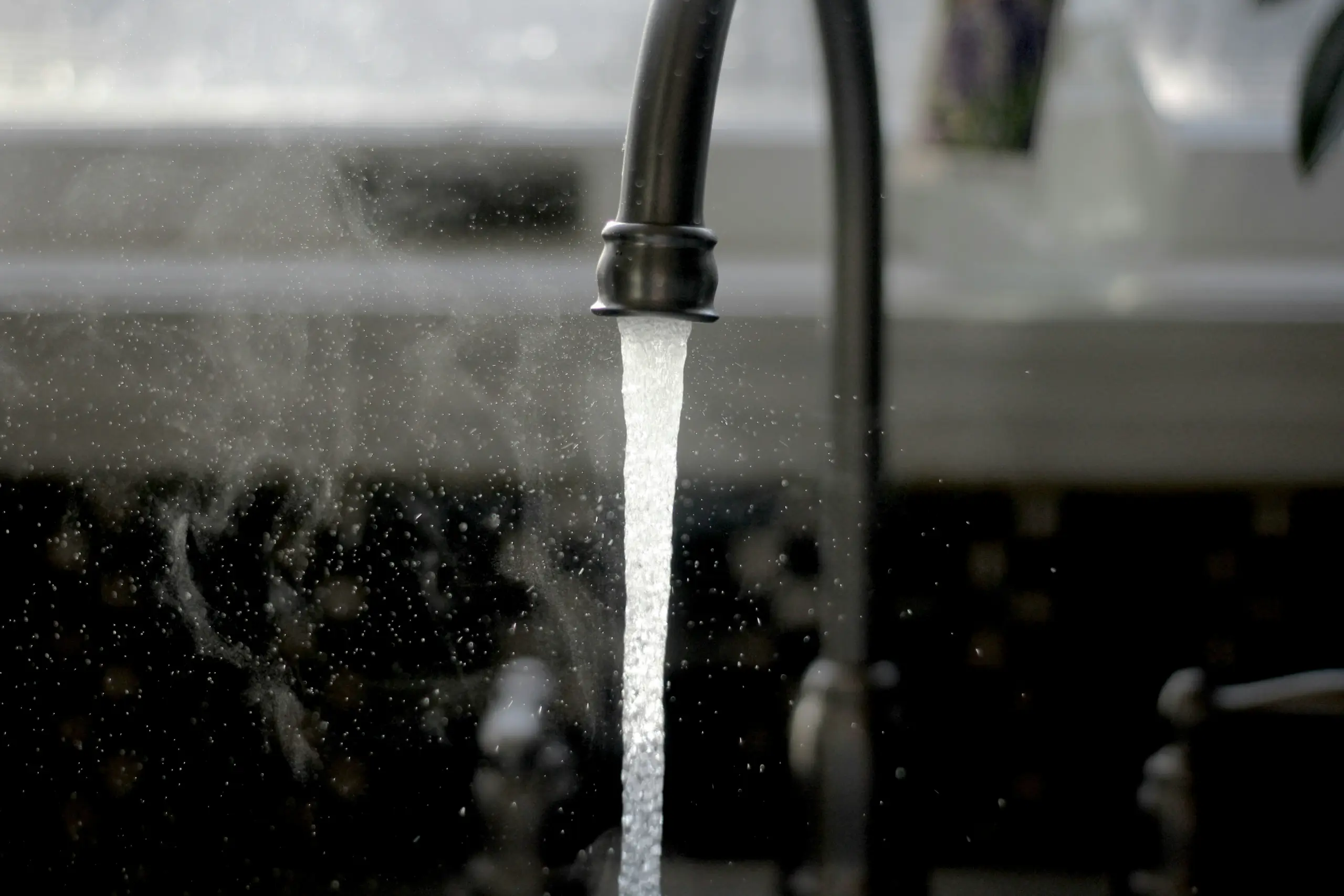
Your skincare routine is curated with intention. The right cleanser. The correct serum. A moisturiser that should, in theory, solve everything. Yet your skin still feels tight, sensitive, or dull. You change products. You adjust your routine. You blame stress or genetics. But the issue may not be what you are putting on your skin. It may be what you are washing it with every single day.
Across Australia, dermatologists are seeing a pattern. Water quality especially hard water is quietly disrupting the skin barrier and interfering with the results people expect from their skincare. Not because the water is unsafe to drink, but because the mineral load interacts with the surface of the skin in ways that promote dryness, irritation, and inflammation.
This is not fear based messaging. This is the science behind barrier health and why water filtration has shifted from a lifestyle luxury to something dermatologists now recommend as supportive care.
”What Hard Water Actually Is and Why Your Skin Responds to It
Hard water contains higher concentrations of dissolved minerals mainly calcium and magnesium. These minerals accumulate as groundwater moves through limestone and chalk formations. Once the water reaches your home, it carries that mineral signature with it. Levels above 120 mg/L are considered hard.
The minerals themselves are not harmful to drink, but the problem begins when they interact with the surface of your skin. Board-certified dermatologists like Dr Brandon Kirsch have noted that while these minerals are safe for consumption, they can dry the skin and hair and worsen conditions such as eczema.
This is why the experience shifts from state to state. Melbourne residents enjoy some of the softest water in the country. Perth and Brisbane sit on the harder end of the spectrum. Geography does not only shape your environment. It shapes your daily complexion.
”How Minerals Bind to Cleansers and Create Residue
When hard water meets soap, the minerals bind to the fatty acids in your cleanser and form an insoluble film commonly referred to as soap scum. This residue does not rinse away cleanly. It clings to the skin, creating a film that interferes with hydration and increases irritation.
Dermatologist Dr Loretta Ciraldo notes that even in people with normal skin, hard water increases deposition of surfactants like sodium lauryl sulphate. This increases dryness and weakens the barrier. Research confirms this effect. Hard water exposure raises surfactant deposits on the skin, increases transepidermal water loss, and creates measurable irritation.
That tight, squeaky feeling after cleansing is not a sign of deep cleanliness. It is your barrier being stripped and coated at the same time.
”How Hard Water Disrupts the Skin Barrier
The outer layer of your skin, the stratum corneum, relies on a delicate balance of lipids, ceramides, proteins, and an acidic pH. Hard water interferes with all of it.
pH disruption
Hard water is naturally more alkaline. When skin pH shifts upward, the lipid matrix that protects the skin begins to break down. Dermatologist Dr Tay explains that alkaline water directly reduces the integrity of the barrier and weakens the skin’s natural defences.
Lipid depletion
Soap residue and mineral deposits dissolve the natural oils that protect the skin. This leaves the barrier compromised and vulnerable.
Increased transepidermal water loss
One of the most documented effects of hard water is accelerated water loss through the skin. When the barrier is depleted, hydration cannot be retained no matter how rich the moisturiser.
This becomes a cycle. Barrier damage leads to moisture loss which creates further barrier damage.
”Why Sensitive Skin and Eczema React More Strongly
In sensitive or eczema prone skin, hard water becomes a genuine trigger. Large scale studies across infants, children, and adults consistently show increased eczema risk in areas with hard water. Research has also shown that certain individuals with genetic variations in the filaggrin gene are especially vulnerable because their barrier function is already compromised.
This does not mean only genetically predisposed individuals should care. It means those with sensitivity experience the effects first and more intensely.
Dermatologists also note that hard water contributes to acne by increasing residue and pore blockage, and to general sensitivity through chronic inflammation and barrier instability.
”The Dermatologist View Why Filtration Matters
Water quality has become part of the modern dermatology conversation. Filtration is no longer framed as a beauty extra. It is increasingly recommended as a supportive step for barrier health.
Dr Christine Shaver describes shower filtration as a simple technique that creates smoother water, improves hydration, and supports overall skin and hair health. Dr Brendan Camp highlights that filters can remove chlorine, chloramines, calcium, copper, and magnesium which allows skincare to absorb more effectively. Dr Dendy Engelman explains that filtration reduces exposure to irritants and lowers the risk of allergy development.
When dermatologists advocate for a solution, it is because they see the physiological difference in their patients.
”What Filtration Improves in Daily Skin Health
People with sensitive skin, dryness, eczema, or irritation often notice changes quickly.
Improved hydration
Less mineral interference means the skin holds water more effectively.
Reduced redness and inflammation
With fewer irritants on the skin, flare-ups become less frequent.
Better product performance
With residue removed, serums and moisturisers absorb more fully.
Greater comfort
Less tightness and reactivity means the skin feels calmer and more balanced.
”The KINSO Perspective
Hard water is part of daily life for many Australian households. It is a quiet disruptor that most people never consider, yet it affects the skin every time you cleanse, rinse, or shower. At KINSO, we design filtration systems that address this at the source. By reducing the mineral load, neutralising harsh contaminants, and supporting the natural balance of the skin, our filters help restore the environment your skin needs to perform at its best.
Better water does not replace a good skincare routine. It allows your routine to finally work the way it was designed to.


