
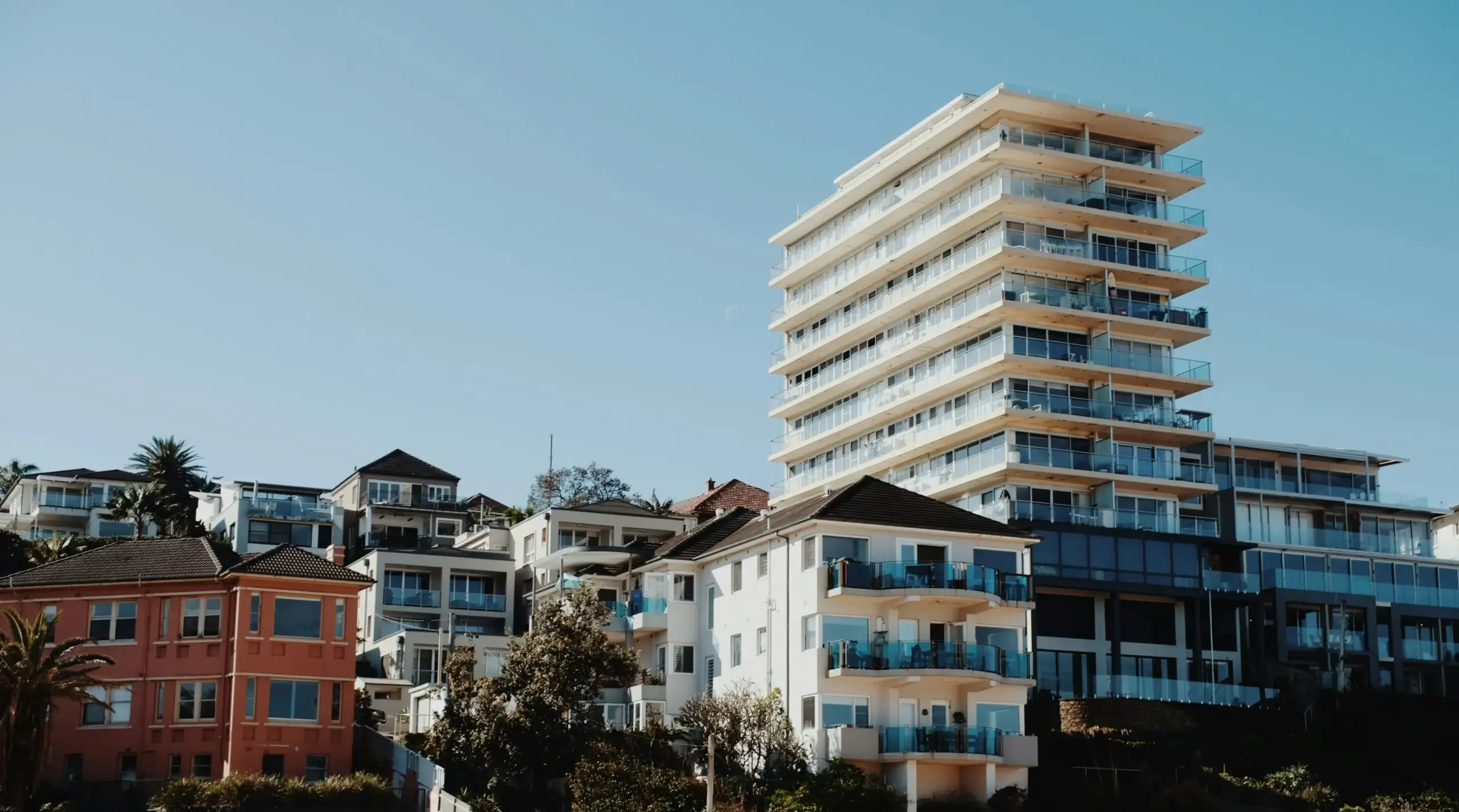
You step into a new apartment in the city. Your skin reacts within days. You travel to a regional town for work. Your hair suddenly feels different. You move to the coast. Everything changes again.
Most people assume these reactions are situational, different climates, different stressors, different routines. But there’s a quieter reason happening behind the scenes, something no one talks about:
The water quality where you’re showering is completely different.
Australia’s water varies dramatically by location. Brisbane’s hard water is nothing like Melbourne’s softer supply. Sydney’s chlorine levels differ from Perth’s. Regional bore water carries minerals that city pipes have already filtered out. Hotels use different treatment systems. Gyms chlorinate differently. Rental apartments have aging pipes no one maintains.
Your skin and hair don’t care that it’s “just water.” They react immediately and directly to what’s actually in it.
Yet most people approach water quality like it’s a permanent home problem, invest in a fixed filtration system, install it, stay put. That works for some. But for the majority of Australians who move, travel, rent, share spaces, or spend time in multiple locations, fixed systems miss the point entirely.
What if protection followed the person instead of the property?
This is the shift happening now in how smart people think about water quality. Not as a home upgrade. As a portable wellness essential that travels with them, consistent, adaptable, and designed for real life.
The Australian Water Reality: Variation As the Only Constant
Water quality in Australia is shockingly inconsistent. Not because of any one problem, but because of how water sources, treatment, delivery infrastructure, and local conditions vary across the country.
Major Cities: Different Problems, Same Impact
Brisbane: Hard water champion. Calcium and magnesium levels are among Australia’s highest, sitting at 180-220 mg/L in many areas. These mineral-heavy water deposits fine chalky residue on skin and hair with every wash.
Melbourne: Softer water from mountain sources, but higher chlorine levels because of the distance water travels through older pipes. The chlorine exposure is significant enough that many Melburnians notice their hair and skin react differently when they travel elsewhere.
Sydney: Variable depending on which suburb, but generally moderate hardness with notable chlorine treatment. The Warragamba catchment delivers different quality than the desalinated water backup system uses.
Perth: Hard water (similar mineral load to Brisbane) combined with aged copper plumbing in many areas. Copper accumulation is a real problem for residents, particularly visible in blonde hair that develops unwanted green tints.
Adelaide: Hard water territory with high salinity in some areas. The water treatment system uses chlorine heavily, and the distance from the catchment to tap means extended chemical exposure.
Regional and Rural Australia: Often far harder water drawn from bore holes or local catchments, with less consistent treatment. Sediment and mineral deposits are common. Water can change seasonally based on rainfall and aquifer levels.
This isn’t about any location being “bad.” It’s about understanding that the water coming out of your shower in one Australian city is fundamentally different from the water in another.
Dr. Michael Chen, Water Quality Specialist, explains:
”Australia's water varies more between cities than most countries vary between regions. A skin barrier that adapts to Melbourne's water will absolutely react to Brisbane's water. People move and expect consistency - but they're not getting it. The water chemistry has changed completely.
Why It Matters When You’re Not Staying Still
For the 40% of Australians living in rental properties, or the millions who travel regularly for work, or anyone splitting time between multiple locations, water quality becomes a moving target.
Consider a typical modern Australian life:
- Monday to Friday: Working in the CBD, showering at a corporate gym with its own water treatment
- Weekends: Staying at a partner’s apartment in a different suburb, different water, different reactions
- One week a month: Regional site for work, bore water, higher minerals, immediate skin response
- Annual holidays: Hotels, Airbnbs, coastal homes, each with different plumbing, treatment, and mineral content
Your skin and hair experience different water chemistry, sometimes multiple times per week. Yet your skincare and haircare routine stays the same, as if water were a constant.
It’s not. And your barrier knows it.
The result: inconsistent skin, unpredictable breakouts, hair that behaves differently in different locations, constant adjustment without knowing why you’re adjusting.
Most people blame themselves (“my routine isn’t consistent enough,” “I’m not managing stress properly,” “my products don’t work”). The real issue is that the foundational input, the water is changing beneath them.
What Happens When Water Quality Changes
The shift is immediate at the biological level:
- New chlorine exposure triggers immediate lipid stripping (usually visible as tightness within hours)
- Different mineral content means different pH, different buildup, different hydration dynamics
- Varied heavy metals (copper, iron) create oxidative stress on hair pigment and skin barriers
- Unknown sediment and contaminants activate an inflammatory response before you even realise it
For someone with sensitive skin, eczema, or acne, these shifts can trigger flares within 24-48 hours. For colour-treated hair, the tonal shift is visible within a week.
People often respond by buying local products, adjusting routines, and applying more treatments. Logical solutions that address symptoms, not causes.
The real solution is simpler: bring consistent water with you.
Dr. James Mitchell, Dermatologist, Sydney stated:
”The biggest conversation I have with patients who relocate is about water. Most dermatologists don't ask, but we should. Your skin's behaviour can change entirely based on where you're showering.
Fixed Filtration Works for Some. For Others, It’s Already Obsolete
The traditional approach to water filtration makes sense if you own your home, plan to stay for years, and have access to plumbing.
Install a whole-home system or a fixed shower filter. Pay for installation. Maintain the system. Replace cartridges at the same address.
For a significant portion of the Australian population, this model doesn’t work:
Renters: Can’t install permanent fixtures without landlord approval (often denied). Moving every 1-2 years makes investment pointless. Even if you install a filter, you leave the benefit behind.
Corporate housing and temporary accommodation: 6 months, 1 year, then relocated. No option for fixed installation.
Travel and regional work: Weeks at a time in different locations. A fixed filter in your own home doesn’t follow you.
Multiple homes: Splitting time between city apartment and coastal property, or maintaining a rental investment. Protecting your skin in one location doesn’t help in the other.
Shared spaces: Gyms, pools, communal showers. No personal control over filtration.
For these groups, which includes millions of Australians, fixed filtration is theoretically sound but practically obsolete.
The real protection needs to be portable. It needs to install without tools. It needs to work with standard fittings. It needs to move when you move.
The Case for Portable Protection: Why Water Quality Follows the Person
Portable filtration represents a fundamental mindset shift: from “upgrade your home plumbing” to “protect your personal environment.”
Instead of installing a permanent system in one location, portable systems like a showerhead filter or tap filter become part of your personal care kit, similar to your skincare products or hair tools, but addressing the foundational input.
Why This Matters More Than You Realise
Consistency across locations: Whether you’re in your apartment, a hotel, your parent’s house, a gym, or a temporary rental, you have the same water quality. Your skin and hair experience consistency instead of constant adjustment.
Barrier protection regardless of circumstances: Your barrier doesn’t care whether you’re staying somewhere by choice or necessity. It needs protection either way. Portable filtration provides it.
Reduced skin and hair reactivity: When water quality stops changing, your skin and hair can finally stabilise. Breakouts become less frequent. Hair feels consistent. The constant low-level inflammation eases.
Better return on skincare and haircare investment: Premium products only work when the foundational input (water) supports them. Portable filtration ensures your expensive routines work everywhere, not just in one location.
Self-respect through agency: You’re not resigned to “this location has bad water, so my skin will struggle here.” You’re actively choosing to maintain your standards regardless of where you are.
Dr. Sarah Williams, Dermatologist and environmental skin health specialist, notes:
”I see a lot of patients who relocate and suddenly their skin deteriorates. They assume it's stress or routine changes. Often it's entirely the water. When they bring portable filtration with them, the pattern reverses immediately. The variable isn't their routine or their mindset, it's the water chemistry. Portable protection solves that completely.
How Water Quality Affects Skin and Hair: The Science Matters
To understand why portable protection is important, you need to understand what’s actually in water and how it interacts with your body.
Chlorine: The Daily Chemical Exposure
Chlorine is added to virtually all Australian tap water for disinfection. It’s essential for public health. But on skin and hair, it’s corrosive.
Chlorine strips protective lipids from the skin barrier and the cuticle layer of hair. In low concentrations, healthy skin recovers overnight. In higher concentrations (or repeated daily exposure in sensitive individuals), the damage accumulates.
The effect is immediate:
- Tight skin within minutes
- Dry, brittle hair within days
- Compromised barrier function within weeks
- Increased reactivity to other irritants
The problem: Chlorine levels vary by location. Sydney’s pipes carry water further than Melbourne’s, requiring more chlorine. Regional water treated at different facilities has different residual chlorine. Hotels sometimes over-chlorinate to ensure safety across unknown guests and high usage.
When you move locations, your daily chlorine exposure changes. Your skin reacts accordingly.
Hard Water Minerals: The Invisible Buildup
Calcium and magnesium in hard water don’t just rinse away. They bind with cleansers, form residue on skin and hair, and raise pH.
For skin: This mineral film clogs pores, blocks product absorption, and raises pH above the optimal 4.5-5.5 range. Result: dryness, sensitivity, and breakouts.
For hair: Mineral deposits dull shine, roughen the cuticle, and prevent moisture absorption. Colour-treated hair fades faster. Natural hair feels heavy and lifeless.
The problem: Hard water varies dramatically across Australia. Brisbane sits at 180-220 mg/L. Perth is similarly high. Melbourne is softer (around 50-100 mg/L). Regional areas can be higher or lower depending on local sources.
Move from soft water to hard water, and your barrier suddenly faces a different challenge. Your existing products work differently. Your hair behaves differently.
Heavy Metals: The Oxidative Stress
Copper, iron, and other metals from aged plumbing interact directly with skin and hair.
Copper accelerates free radical formation, damaging skin proteins and breaking down hair pigment. Iron creates dullness and roughness. Lead (in very old plumbing) is directly irritating.
The problem: Copper and iron exposure varies by plumbing age and type. Newer apartments have less exposure. Older suburban homes with copper pipes have significantly more. Regional properties with bore water and older infrastructure often have the highest levels.
When you move from a newer building to an older one (or vice versa), your metal exposure changes. For blonde hair and sensitive skin, this creates visible shifts.
Emma Robertson, Colour Specialist & Trichologist, Perth notes:
”Copper in water is something we see constantly in older Perth suburbs. Blonde clients come in thinking it's a colouring mistake when really it's copper oxidation. They move locations and it clears up. The water is the culprit.
Sediment and Contaminants: The Variable Unknown
Depending on your water source and treatment, you might be exposed to sediment, rust particles, agricultural runoff, industrial trace elements, or other contaminants.
These aren’t usually dangerous to drink, but they interact with skin and hair surfaces, triggering low-level inflammation and irritation.
The problem: Sediment varies wildly by source and season. Regional bore water during dry periods carries more sediment. City pipes accumulate rust over time. Water quality reports exist but most people never check them.
When you move locations, you’re exposed to completely different sediment profiles.
Lisa Chen, Environmental Health Officer, Brisbane notes:
”In regional Queensland, we see massive variation in bore water quality depending on the season and aquifer levels. Clients moving from city to regional often experience skin flares they can't explain, it's usually sediment and mineral changes from switching water sources entirely.
The Modern Australian Lifestyle Demand: Consistency Where It Matters
The traditional home upgrade approach to filtration was built on an older model: people stayed in one place. Stability was the baseline.
That’s no longer the case for most Australians.
Urban professionals: Move apartments, travel for work, stay in corporate housing, visit partners in different suburbs. Water quality changes multiple times per week.
Regional or FIFO workers: Split time between city office and regional site. Two different water systems, two different skin/hair impacts.
Renters: Move every 1-2 years by necessity. Investing in fixed filtration is pointless.
Travellers and remote workers: Working from hotels, Airbnbs, shared spaces. No control over water quality, no opportunity for fixed installation.
Multi-property owners: Maintaining primary residence and rental/investment property, or splitting time between city and coastal homes. Different water in each location.
This isn’t unusual. It’s normal modern life in Australia.
For this population, water quality protection needs to be portable, tool-free, renter-friendly, and adaptable to multiple locations and fittings.
It needs to move with the person.
What Portable Filtration Actually Solves
1. Consistency Across Locations
Install the same filter in your apartment, take it when you travel, use it at your regional workplace, bring it to hotels. The water chemistry becomes a constant.
Result: Your barrier stops adapting to different water and starts healing from existing damage.
2. Barrier Recovery and Stabilisation
Once water chemistry stops changing, your barrier can finally do what it’s designed to do: repair itself and maintain integrity.
Most people interpret their skin issues as personal problems, weak barrier genetics, reactive skin type, bad luck. Often it’s environmental. Remove the environment change, and skin behaves completely differently.
3. Product Effectiveness Unlocked
Premium skincare and haircare only work when the foundational input supports them. Chlorine and minerals actively fight against most products. Remove them, and suddenly your expensive routine works.
You’re not adding more products. You’re removing the interference that’s preventing your existing products from working.
4. Reduced Maintenance and Adjustment
Currently, people adjust routines for different locations, different products for hard water, different products for chlorinated water, adjusting frequency based on where they are. Portable filtration eliminates that need.
One routine. One product set. Works everywhere.
5. Self-Directed Care Instead of Resignation
Water quality often feels like something happening to you. “This location has bad water, so I’ll have breakouts here.” Portable filtration shifts that to something you actively manage.
It’s a small thing, but it matters: you’re taking agency instead of accepting circumstances.
Dr. Olivia Hayes, Wellness Coach & Nutritionist, Melbourne mentioned:
”What I've noticed with my clients who travel frequently is a real shift in confidence once they take control of their water quality. It's not just about skin, it's about feeling like they can maintain their standards regardless of where they are.
The KINSŌ Approach: Filtration Designed for Australian Movement
At KINSO, we built Ritual showerhead and Clarity tap filter around the reality of modern Australian life: people move, travel, relocate, and split time across locations.
Ritual Showerhead: Protection That Travels
Installation: Tool-free. Unscrew existing showerhead, screw on Ritual. 30 seconds. No plumbing knowledge required. Works with standard Australian shower fittings.
Portability: Remove from one location, bring with you, install in the next. No permanent installation means renters can use it. No tools means you can install it yourself anywhere.
Filtration: Multi-stage cartridges remove chlorine, reduce hard water minerals, capture sediment, and reduce heavy metals. Designed specifically for Australian water conditions across different regions.
Refills: Subscription delivery means cartridges arrive automatically. You never run out. Water quality stays consistent across the year and across locations.
Design: Minimal, intentional form that works in any bathroom. Not a statement piece, a quiet tool that does its job.
Why This Matters Now
Water quality in Australia is becoming more variable, not less.
Aging infrastructure in older suburbs means more copper and iron exposure. Climate variability means seasonal water quality changes in regional areas. Population growth in water-stressed regions means treatment methods are changing. Rental rates mean fewer people invest in fixed solutions.
At the same time, awareness of water quality’s impact on skin and hair is increasing. Dermatologists now routinely ask about water quality. People are noticing connections between location and their skin behaviour.
But the solutions haven’t caught up. Most people still think “fixed filtration or nothing.”
Portable protection fills that gap. It’s protection for real life, for people who move, travel, work regionally, or split time across locations.
It’s protection for the 70% of Australians not living in owner-occupied homes. It’s protection for people who travel. It’s protection for anyone whose life isn’t static.
Dr. Rachel Foster, Environmental Health Researcher, explains:
”The barrier between traditional fixed home solutions and portable personal solutions is becoming the defining question in water quality. We'll see portable filtration becoming as standard as people carrying skincare products with them when they travel. It's the logical evolution.
The Bottom Line: Protection Follows the Person
Australia’s water quality is variable. Your skin and hair react to that variability. If you move locations, travel, rent, or split time across multiple properties, fixed filtration doesn’t solve the problem.
Portable filtration does.
It’s not a luxury upgrade. It’s consistent environmental protection for people whose environments aren’t static.
You don’t need different solutions for different places. You need one that moves with you.
Ritual showerhead and Clarity tap filter are designed for this reality. Tool-free installation. Renter-friendly. Portable across locations. Subscriptions that work whether you’re in one place or moving frequently.
The mindset shift is: filtration isn’t something you do to your home. It’s something you do for yourself.


