
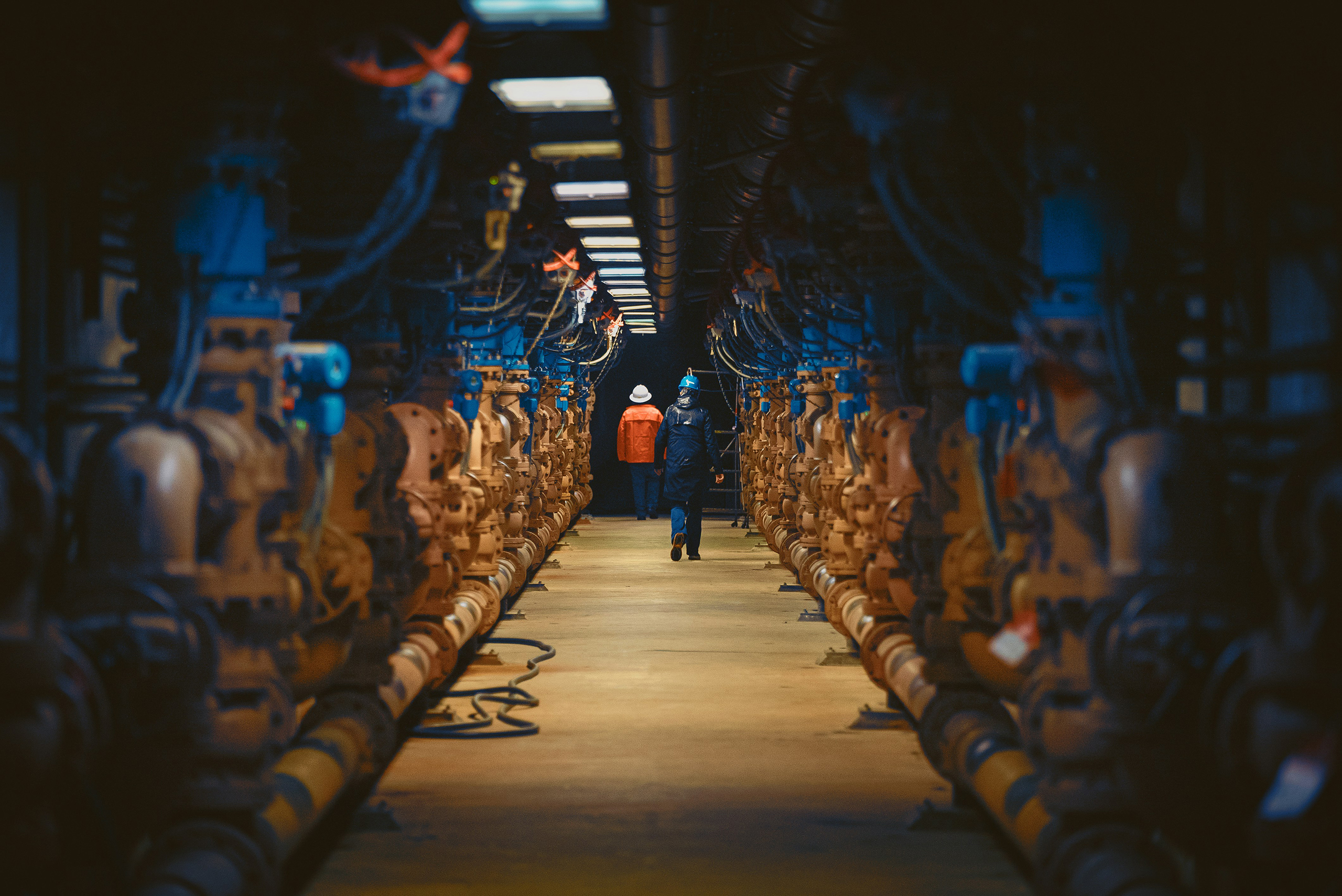
Ever wondered about the journey your water takes before it flows from your tap? It’s not as simple as rain falling into a dam and magically appearing in your glass. The reality is more complex – and more revealing about why that “clean” water may not be quite as pure as it looks.
Your tap water makes an epic journey: kilometres of pipes, multiple treatment stages, and often decades-old infrastructure before it reaches your shower or kitchen sink. Along the way, it can pick up a variety of uninvited passengers.
Let’s pull back the curtain on how water gets to your home in Australia, where vulnerabilities exist, and why understanding this journey might change how you think about the water touching your skin every day.
”Ever wondered about the journey your water takes before it flows from your tap? It’s not as simple as you might think. The reality is more complex.
The unseen journey: where your water really comes from
Picture pristine mountain streams and crystal reservoirs. That’s part of the story – but only part.
Most Australian cities source water from surface sources (dams, rivers, reservoirs), and some draw from underground aquifers. Sydney, for example, draws from Warragamba Dam and protected Blue Mountains catchments; Canberra uses the Cotter, Bendora and Corin systems; Melbourne sources much of its water from the Yarra Ranges.
But “natural” sources aren’t immune. Even protected catchments are affected by wildlife, bushfire ash, agricultural runoff and urban pollution. Road runoff brings oil and heavy metals; tyre wear contributes microplastics. All of this can end up in the water before treatment even starts.
Perth’s example is notable: declining rainfall over recent decades has reduced inflows to dams, prompting wider use of desalination and groundwater replenishment – strategies that change the chemical profile of the city’s supply.
By the time water reaches a treatment plant, it’s often already carrying fingerprints of human activity and environmental change. And that’s before any treatment chemicals are added.
Step 1 – collection: already carrying contaminants
Reservoirs and rivers collect:
- Sediment and organic matter from soil and vegetation
- Algae and naturally occurring microbes
- Agricultural chemicals and runoff after rain
- Bushfire debris and ash
- Microplastics and urban pollutants
Dams alter temperature and oxygen levels and tend to concentrate certain sediments and contaminants. Groundwater, while naturally filtered, can also hold persistent contamination that moves slowly and can last for decades.
This is your water’s starting point: a complex mix of natural and human-made materials before a single treatment step begins.
Step 2 – treatment: chemistry to the rescue (and its trade-offs)
Treatment plants do the heavy lifting to make water safe. Typical stages include:
Coagulation & clarification
Chemicals (like aluminium-based coagulants) help particles clump together so they can be removed. The trade-off: treatment leaves chemical residues to be managed.
Filtration
Water passes through sand or membrane filters to remove particles. The method depends on source water quality; protected catchments often need less filtration than unprotected ones.
Disinfection: the chlorine trade-off
Disinfection prevents waterborne illness. Chlorination is widely used because it’s effective and long-lasting. Some systems use chloramines (a chlorine-ammonia compound) because it persists through long distribution networks.
But chlorine remains in the water all the way to your tap – and into your shower. It does a crucial public-health job, yet repeated exposure can affect skin and hair.
pH correction & fluoridation
Plants adjust pH to protect pipes and add fluoride for dental health. These are intentional, public-health measures that also remain in the supply.
In short: treatment makes water safe to drink, but it does so by creating a carefully balanced chemical solution — safety prioritised over pure, untouched water.
Step 3 – distribution: ageing infrastructure and where things go wrong
After treatment, water travels through long networks of mains and local pipes – many installed decades ago. Problems emerge here:
Aging pipes
Old mains and service lines can be made from materials that corrode, rust or leach. Breaks or maintenance works can stir up sediments that discolour water and introduce particulates.
Lead and metal leaching
Homes built before the 1980s may still have lead pipes or lead-soldered joints; brass fittings can also leach small amounts of lead. Copper and iron can leach from plumbing under certain conditions, too. These metals are tasteless and invisible but can accumulate with repeated exposure.
Asbestos cement pipes
Hundreds of thousands of kilometres of asbestos cement pipes exist across Australia. While current evidence doesn’t show asbestos in drinking water poses the same risks as airborne fibres, the reality of aging cement pipes complicates long-term infrastructure planning and replacement.
Biofilms and microbial pockets
A thin layer of biofilm (microbial communities) forms on pipe walls. Disinfectants keep this under control, but biofilm never fully disappears and can release microbes intermittently.
Breaks, repairs and cross-contamination
Every time a main breaks or is repaired there’s potential for soil, debris or contaminated surface water to enter the system, especially under changing pressure conditions.
The bottom line: water can leave the plant pristine and arrive at your tap with a different profile because of what happens in the distribution network.
Common contamination risks along the journey
At source: agricultural runoff (pesticides, fertiliser), industrial pollutants, microplastics, sediment, algae and organic matter.
During treatment: chlorine/chloramines, fluoride, coagulant residues, and disinfection by-products formed when disinfectants react with organic matter.
In distribution: lead, copper, iron and rust particles, asbestos-cement deterioration, sediment stirred by maintenance, biofilm releases, and contamination from pipe breaks.
The older and longer the network the water travels through, the greater the chance for those compromises to occur.
Regional differences: not all water is the same
Water quality varies across Australia. Perth’s reliance on desalination and groundwater replenishment gives its supply a different chemical signature to Melbourne’s dam-sourced water. Sydney faces PFAS risks in some catchments due to firefighting foam used at airports and military sites. Regional and remote towns often rely on limited supplies and face more variable quality.
Where you live, and the age of the local infrastructure – matters.
Why point-of-use filtration matters
Municipal treatment systems are designed to prevent acute illness; they aren’t designed to optimise every skin, hair or wellness outcome. Guideline limits accept certain levels of chemicals and metals deemed “safe” for consumption, but they don’t account for cumulative skin exposure or individual sensitivities.
That’s why household filtration is an important final step:
- It reduces residual chlorine and chloramines that dry skin and hair.
- It cuts back heavy metals that can leach from household plumbing.
- It removes sediments and particulates stirred up in mains.
- It mitigates treatment residues and disinfection by-products.
- It evens out daily variation in water quality at the point you use it.
Think of filtration not as paranoia but as sensible control: utilities manage supply at scale; you control the final, immediate water interacting with your body.
The KINSŌ philosophy: informed choices, better rituals
Knowledge shouldn’t alarm – it should empower. Understanding how water travels from dam to tap clarifies why a quality point-of-use filter makes sense, not as a luxury but as a deliberate wellness choice.
KINSŌ designs filtration with the Australian water journey in mind. We account for the chlorine levels commonly used by utilities, the realities of ageing infrastructure, and regional water differences. Our products aim to deliver a final purification step that’s effective, lasting and beautifully considered.
What our filtration targets
- Chlorine and chloramine reduction – to protect skin and hair.
- Heavy metal reduction – addressing lead, copper and iron from plumbing.
- Sediment removal – catching rust, particles and debris from distribution.
- Durable, premium materials – replaceable cartridges and lasting design.
We’re not selling fear. We’re offering peace of mind: a minimalist, effective solution that integrates into your daily rituals.
The bottom line
Your water travels a long way and through many processes before it reaches you. Each stage is necessary, and each introduces trade-offs.
Understanding this journey helps you choose the right final step: filtration at the point of use. It’s about taking ownership of the last part of a long process — so your shower, your morning glass and your evening skincare routine are supported by water that’s not only safe, but genuinely better for you.
Ready to take control of your water quality?
Discover how KINSŌ’s filtration solutions address the vulnerabilities in Australia’s water journey.


